
January 2, 2026
If you’re just starting in commercial real estate, you’ve probably heard the term “cap rate” tossed around like it’s magic. Spoiler: it kind of is — but it’s not complicated. A cap rate, short for capitalization rate, is simply a way to measure how much income a property generates compared to what it costs. Think of it as your first “gut check” for whether a deal makes sense.
To find the cap rate for a property, you use the following formula:
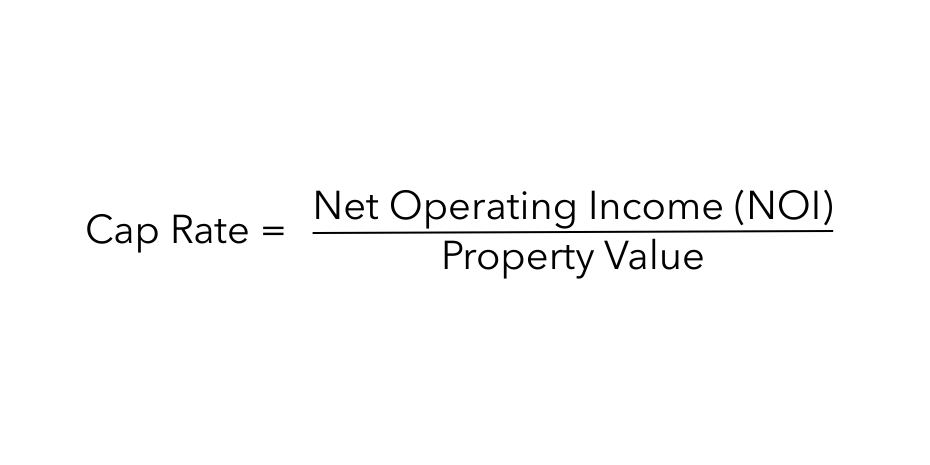
Let's do a quick and easy example. A property brings in $100,000 a year after expenses (that’s your NOI). It’s listed for $1,000,000 (that's your property value). Plug it in:
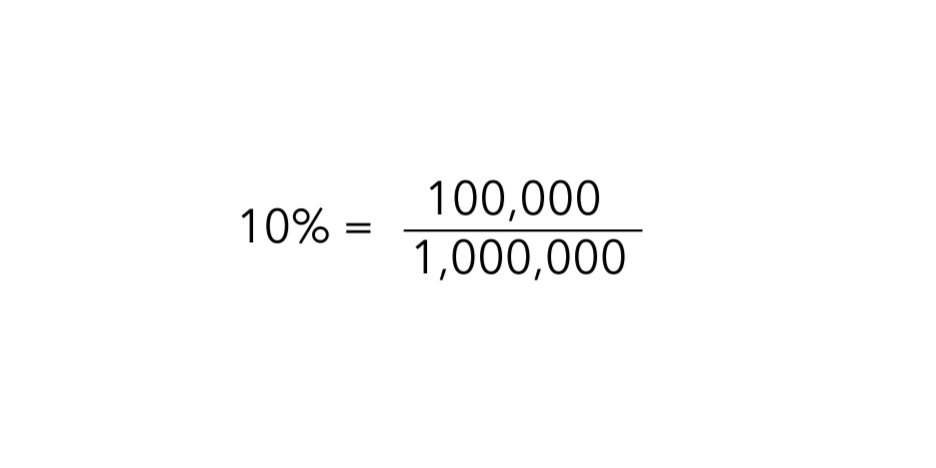
Boom. That property has a 10% cap rate. Easy, right?
Cap rates give you a quick peek at return and risk:
It’s a simple way to compare properties or figure out if a listing is priced fairly without getting buried in spreadsheets.
Cap rates don’t tell the whole story. They don’t include:
Think of them like a first impression; they help you spot deals worth a deeper look.
Disclaimer: This content is meant for informational purposes only and is not intended to be construed as financial, tax, legal, or insurance advice.


